
Dr. Ram Manohar Lohiya National Law University (RMLNLU), Lucknow
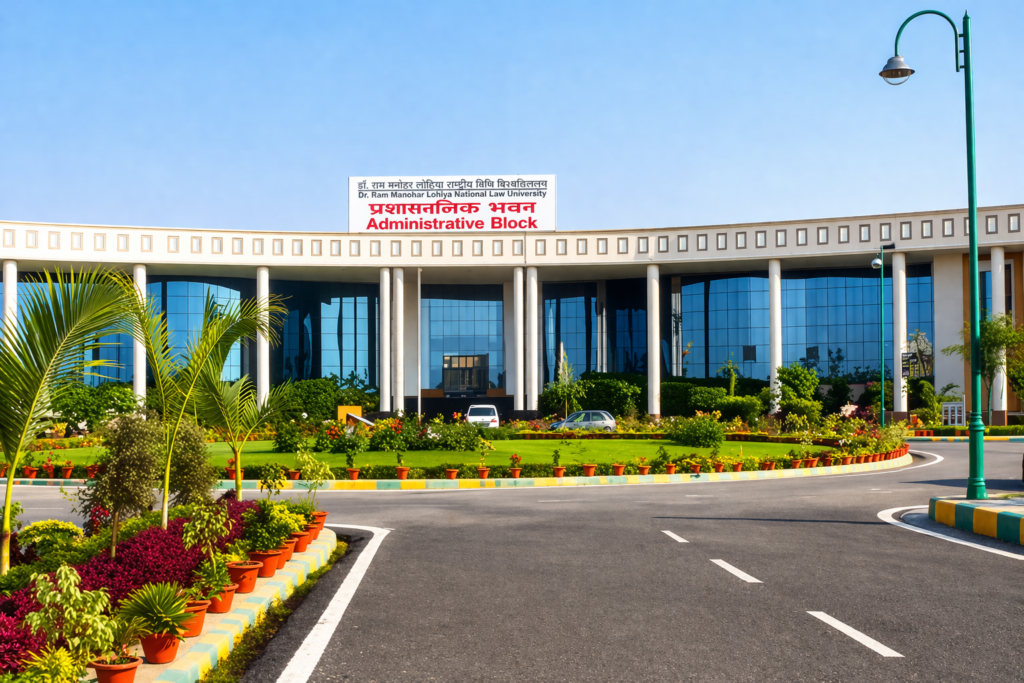
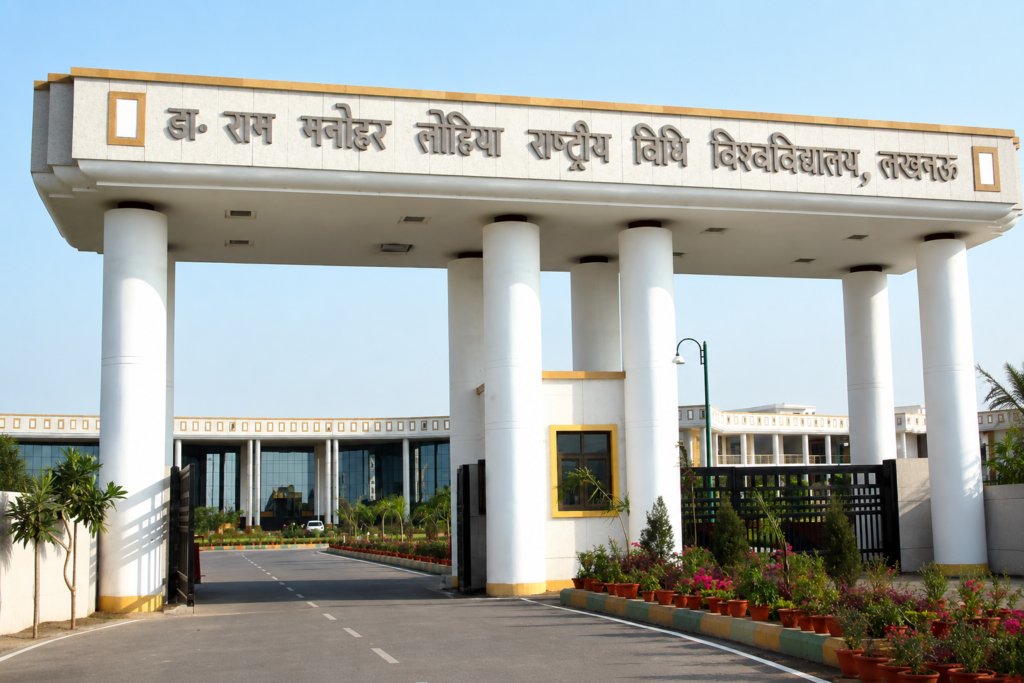

Description
About RMLNLU, Lucknow
Verified by Lawsection.in Editorial Team | Updated: April 09, 2026
Dr. Ram Manohar Lohiya National Law University (RMLNLU), Lucknow, is one of India’s leading National Law Universities (NLUs). Established under the Dr. Ram Manohar Lohiya National Law University Act, 2005 (U.P. Act No. 28 of 2005), the university became operational in July 2006. Since then, it has established itself as one of India’s recognised National Law Universities through its focus on quality legal education, academic excellence, legal research, advocacy training, and professional development. Located in Lucknow, Uttar Pradesh, RMLNLU has emerged as one of the country’s prominent destinations for legal education, attracting students from across India.
RMLNLU is recognised by the University Grants Commission (UGC) under Sections 2(f) and 12(B) of the UGC Act, 1956. In addition, its integrated law programmes are approved by the Bar Council of India (BCI).
The university is widely recognised for its rigorous legal education, strong academic environment, national-level moot court culture, ADR and debate activities, legal research, and fully residential campus. Furthermore, graduates of the university have built successful careers across litigation, corporate law firms, judiciary, academia, public policy, civil services, and other legal sectors. Consequently, RMLNLU has earned a strong academic reputation among India’s National Law Universities for its quality legal education and professional training.
The university admits students to its BA LL.B. (Hons.) and LL.M. programmes through the Common Law Admission Test (CLAT), which serves as the national-level entrance examination for admission to participating National Law Universities (NLUs).
University Snapshot
Location
Lucknow, Uttar Pradesh, India
Established
2005 (operational from 2006)
Type
Public National Law University
NIRF 2025 Law Ranking
21st in India
NAAC Accreditation
Refer to the latest accreditation status published by the university
Intake Months
July–August (Annual Intake)
Note: Information presented in this profile is based on official university sources and publicly available regulatory information. Applicants should refer to the latest admission notification issued by the university and the Consortium of NLUs for the applicable academic session.
Law Programs Offered by the University
Below are the major law programs offered, along with key eligibility, duration, and admission details.
BA LL.B. (Hons.)
Duration: 5 Years (Integrated)
Eligibility: Passed 10+2 (or equivalent) with the minimum percentage prescribed under the applicable CLAT notification
Entrance: CLAT UG
Approximate Total Academic Fee: ₹9.45–₹9.50 lakh for the full course
Mode: Full-Time, Residential
LL.M. Programme
Duration: 1 Year
Eligibility: LL.B. degree (or an equivalent law degree) from a recognised university, subject to the eligibility criteria prescribed under the applicable CLAT PG notification
Entrance: CLAT PG
Approximate Total Academic Fee: ₹1.15 – ₹1.45 L
Mode: Full-Time
Ph.D. in Law
Duration: Minimum 3 Years
Eligibility: LL.M. with required minimum marks as prescribed by the university
Admission Process: University entrance test and/or interview as per current Ph.D. Regulations
Approximate Total Academic Fee: ₹1.70–₹1.85 lakh
Note: Tuition fees, hostel charges, examination fees, and other academic expenses are subject to revision by the university. Applicants should always verify the latest fee structure through the official admission notification before applying.
Recognition & Accreditation
- Recognized under Sections 2(f) and 12(B) of the UGC Act, 1956.
- Approved by the Bar Council of India (BCI).
- State-funded National Law University established under the Dr. Ram Manohar Lohiya National Law University Act, 2005 by the Government of Uttar Pradesh.
- Member institution of the Consortium of National Law Universities (Consortium of NLUs).
The university conducts admissions to its undergraduate and postgraduate law programmes through the Common Law Admission Test (CLAT), in accordance with the admission process followed by the Consortium of NLUs.
The university promotes legal education through academic programmes, legal research, moot court training, legal aid initiatives, and various student development activities designed to strengthen both theoretical understanding and practical legal skills.
RMLNLU Lucknow Rankings & Reputation
- Ranked 21st in India in the NIRF 2025 Law Rankings.
- Widely recognised as one of the prominent National Law Universities in North India.
- The university actively encourages participation in moot court competitions, ADR activities, debates, legal aid initiatives, legal research, seminars, conferences, and other academic programmes.
- Graduates have built careers in law firms, litigation chambers, judiciary, academia, public policy organisations, corporate legal departments, and other legal sectors.
Why Choose RMLNLU Lucknow?
You may consider RMLNLU if you:
- Seek admission to a reputed National Law University.
- Gain practical exposure through moot court competitions, legal research, ADR activities, and experiential learning.
- Prepare for careers in litigation, judiciary, corporate law, arbitration, public policy, or academia.
- Study on a fully residential campus with a national-level academic environment.
- Build a strong foundation for judicial services, civil services, or higher legal studies.
RMLNLU Lucknow Campus & Student Life
The fully residential RMLNLU Lucknow campus offers a balanced blend of academics, legal research, and student life. Additionally, the campus provides students with separate hostels, moot court halls, a modern library, Wi-Fi-enabled facilities, sports infrastructure, and a wide range of cultural and extracurricular activities.
- Separate hostels for boys and girls
- Moot court halls
- Library and legal research facilities
- Wi‑Fi-enabled campus
- Sports and cultural facilities
- Academic journals, law reviews, student publications, and research opportunities
- Active legal aid clinics, moot court committees, ADR society, and debate forums
Moreover, students actively participate in academic journals, law reviews, legal aid initiatives, moot court competitions, ADR activities, debate forums, seminars, conferences, workshops, and a wide range of student-led academic, cultural, and co-curricular programmes throughout the year.
Documents Required for Admission
For BA LL.B. (Hons.) / LL.M. Admission:
- Class 10 and Class 12 mark sheets / LL.B. marksheets
- CLAT UG / CLAT PG scorecard
- Transfer Certificate / Migration Certificate
- Category Certificate (if applicable)
- Character Certificate
- Passport-size photographs
- Identity proof
For Ph.D. Admission:
- LL.M. marksheets and degree certificate
- Statement of Purpose / Research Proposal
- Letters of Recommendation (if required)
- Entrance Test / Interview documents
International students may additionally require:
- Passport copy
- Visa documents
Note: The list of required documents may vary depending on the admission notification issued for the relevant academic session. Applicants should always refer to the latest admission guidelines published by the university before submitting their applications.
Admission Process (2026)
- Register online through the official Consortium of NLUs portal for CLAT UG or CLAT PG, as applicable.
- Appear in CLAT UG or CLAT PG.
- Participate in centralized counselling.
- Select RMLNLU, Lucknow during preference filling.
- Receive seat allotment based on CLAT rank and counselling round.
- Pay admission fees within the prescribed deadline.
- Complete document verification and campus reporting.
Best Law Institutes in Lucknow and Nearby Locations
Lucknow is one of North India’s prominent centres for legal education, offering access to National Law Universities, Central Universities, State Universities, private universities, and affiliated law colleges. Students seeking admission to undergraduate, postgraduate, or doctoral law programmes can choose from institutions that vary in admission process, academic structure, faculty expertise, research opportunities, campus facilities, internships, and career support.
Dr. Ram Manohar Lohiya National Law University (RMLNLU), Lucknow, is the city’s National Law University and admits students to its undergraduate and postgraduate law programmes through the Common Law Admission Test (CLAT). Alongside RMLNLU, several other recognised universities and law schools in Lucknow and nearby regions offer quality legal education across different academic levels.
Leading Law Institutes in Lucknow
| Law Institute | Highlights |
|---|---|
| Dr. Ram Manohar Lohiya National Law University (RMLNLU), Lucknow | National Law University offering legal education, research opportunities, and CLAT-based admissions. |
| Faculty of Law, University of Lucknow | One of Uttar Pradesh’s oldest and most established law faculties, offering undergraduate, postgraduate, and research programmes in law. |
| School of Legal Studies, Babasaheb Bhimrao Ambedkar University (BBAU), Lucknow | Central University law school offering legal education and research opportunities. |
| Amity Law School, Lucknow (Amity University Uttar Pradesh) | Private university law school offering legal education with academic, practical, and professional learning opportunities. |
| Faculty of Law, Integral University, Lucknow | Private university faculty offering undergraduate, postgraduate, and research programmes in law. |
| Institute of Legal Studies, Shri Ramswaroop Memorial University (SRMU), Barabanki | Law institute located near Lucknow offering legal education across multiple academic levels. |
Other Leading Law Institutes in Uttar Pradesh
Students exploring legal education beyond Lucknow may also consider the following recognised institutions across Uttar Pradesh:
- Faculty of Law, University of Allahabad, Prayagraj
- Dr. Rajendra Prasad National Law University (RPNLU), Prayagraj
- Faculty of Law, Banaras Hindu University (BHU), Varanasi
- Faculty of Law, Aligarh Muslim University (AMU), Aligarh
- School of Law, Justice & Governance, Gautam Buddha University (GBU), Greater Noida
- Atal Bihari Vajpayee School of Legal Studies, Chhatrapati Shahu Ji Maharaj University (CSJMU), Kanpur
- Faculty of Law, Chaudhary Charan Singh University (CCSU), Meerut
Each institution has its own admission process, eligibility criteria, curriculum, fee structure, and areas of academic focus. Therefore, applicants should carefully compare factors such as statutory recognition, regulatory approvals, course offerings, faculty, legal research opportunities, moot court activities, internships, placement support, campus infrastructure, scholarships, alumni network, and overall career prospects before making an admission decision.
Frequently Asked Questions (FAQs)
1. Is RMLNLU a good National Law University?
Yes. RMLNLU is widely recognised as one of India’s leading National Law Universities because of its CLAT-based admissions, rigorous academics, moot court culture, research opportunities, residential campus, and strong national reputation.
2. What CLAT rank is usually required for RMLNLU?
The required CLAT rank varies every year depending on factors such as seat availability, reservation category, competition level, and counselling rounds. Therefore, candidates should refer to the latest CLAT counselling data and official closing ranks for the most accurate admission trends.
3. Does RMLNLU provide good placements?
RMLNLU offers placement and internship support to eligible students through its institutional placement initiatives. Graduates have pursued opportunities in law firms, corporate organisations, litigation chambers, judiciary, public policy institutions, and other legal sectors. However, individual outcomes depend on academic performance, internships, skills, and prevailing market conditions.
4. Is the RMLNLU campus fully residential?
Yes. The university has a fully residential campus and provides hostel facilities for both boys and girls.
5. Is the BA LL.B. degree from RMLNLU valid for becoming an advocate?
Yes. Since the programme is approved by the Bar Council of India (BCI), eligible graduates may enrol with the appropriate State Bar Council, subject to the applicable rules in force, and appear for the All India Bar Examination (AIBE), wherever applicable.
6. Is RMLNLU better for corporate law or judiciary preparation?
Students interested in corporate law benefit from internship opportunities, practical training, and placement support, while those preparing for judicial services benefit from the university’s strong academic environment, litigation exposure, moot court culture, and legal research opportunities.
Study LLM Abroad: Top Law Universities in UK, USA & Canada
Planning to pursue an LLM abroad? Explore carefully curated and verified guides to top-ranked law universities in the United Kingdom, United States, and Canada. These country-wise pages provide structured information on admission requirements, eligibility criteria, tuition fees, intakes, scholarships, and career prospects — based on official university sources and updated as of 2026. Compare destinations confidently and choose the best pathway for your global legal career.
LLM In UK
Find the best Law Universities in United Kingdom.
LLM In USA

Explore Top-ranked Law Universities in the USA.
LLM in Canada
Canada’s Top-ranked Law Universities listed here.
This information is curated by Lawsection’s editorial team as part of our Study Law Abroad and Global Law College Directory initiatives.
This institutional profile has been prepared using official university publications, applicable regulatory information, and publicly available admission resources available at the time of publication. Information has been compiled from official university sources, the Consortium of National Law Universities, and applicable regulatory authorities.
Disclaimer: Every effort has been made to ensure the accuracy of this information based on official university sources available at the time of publication. However, admission requirements, fee structure, programme details, rankings, and university policies may change over time. Applicants should always verify the latest admission notifications, eligibility criteria, fee structure, programme regulations, counselling updates, and other important announcements through the official RMLNLU website and the Consortium of NLUs before making any admission-related decisions.
Address







Cardiff Metropolitan University, UK – Law Courses, Fees, Eligibility, Admissions 2026
- Government
- LLB (3 Years), LLM Abroad, Juris Doctor (JD), PhD in Law




Wrexham University Law Courses in UK (2026): Fees, Entry Requirements, Admissions & Student Guide
- Government
- LLB (3 Years), LLM Abroad, Juris Doctor (JD), PhD in Law



Cardiff University, UK – Law Courses, Fees, Admission Requirements & Study Opportunities (2026)
- Government
- LLB (3 Years), LLM Abroad, Juris Doctor (JD), PhD in Law


Swansea University Law School (UK): Courses, Fees, Eligibility, Admissions, Rankings & Study Guide 2026
- Government
- LLB (3 Years), LLM Abroad, Juris Doctor (JD), PhD in Law
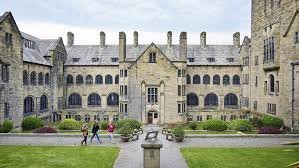


Bangor University, UK – Law Courses, Fees, Eligibility, Admissions & Bangor Law School Guide (2026)
- Government
- LLB (3 Years), LLM Abroad, Juris Doctor (JD), PhD in Law



Queensland University of Technology Law School Australia: Courses, Fees, Eligibility, Admissions & Career Opportunities 2026
- Government
- LLB (3 Years), LLM Abroad, Juris Doctor (JD), Doctor of Juridicial Science (S.J.D), PhD in Law



Griffith University, Australia – Complete Guide to Law Programs, Fees, Eligibility, Campuses & Admissions (2026)
- Government
- LLB (3 Years), LLM Abroad, Juris Doctor (JD), Doctor of Juridicial Science (S.J.D), PhD in Law
